The 30g protein limit is mostly a myth
Heard you can only use 30g of protein per meal? Here is what the research says, what it does not say, and how to size your meals without overthinking it.

Where the 30g rule came from
You have heard it at the gym. "Your body can only use 30 grams of protein at a time. The rest goes in the toilet."
It sounds precise, so it sounds true. It started with short lab studies where people drank a fast-digesting protein shake and researchers measured how much muscle building it switched on. Past about 20 to 30g of shake, the response stopped climbing.
That is one measurement, in one setting, on an empty stomach. The gym turned it into a rule about everything your body does with protein. That jump is where it goes wrong.
Absorbing protein is not the same as building muscle
Two different things get mixed up here.
- Absorption is your gut pulling amino acids out of food and into your blood. It is very efficient. Nearly all the protein you eat gets absorbed, even from a large meal.
- Muscle building is one of many jobs for that protein. Your body also uses it for your immune system, your gut lining, enzymes and hormones.
So a big meal does not "waste" protein. Your body slows digestion down and releases the amino acids over several hours. Whole food does this more than a liquid shake does, because your stomach has to break it down first.
What the research does tell us
Here is the honest version.
- A single meal may switch on muscle building at around 20 to 40g of protein for many adults. Bigger people and older adults may need a little more.
- After that, extra protein still counts. It just may not add extra muscle signal at that meal.
- What you eat across the whole day matters more than one perfect meal.
- Spreading protein over three or four meals is a sensible habit. It is not a rule you will break by eating dinner.
None of this means more is always better. It means you can stop counting to 30.
What that means for your plate
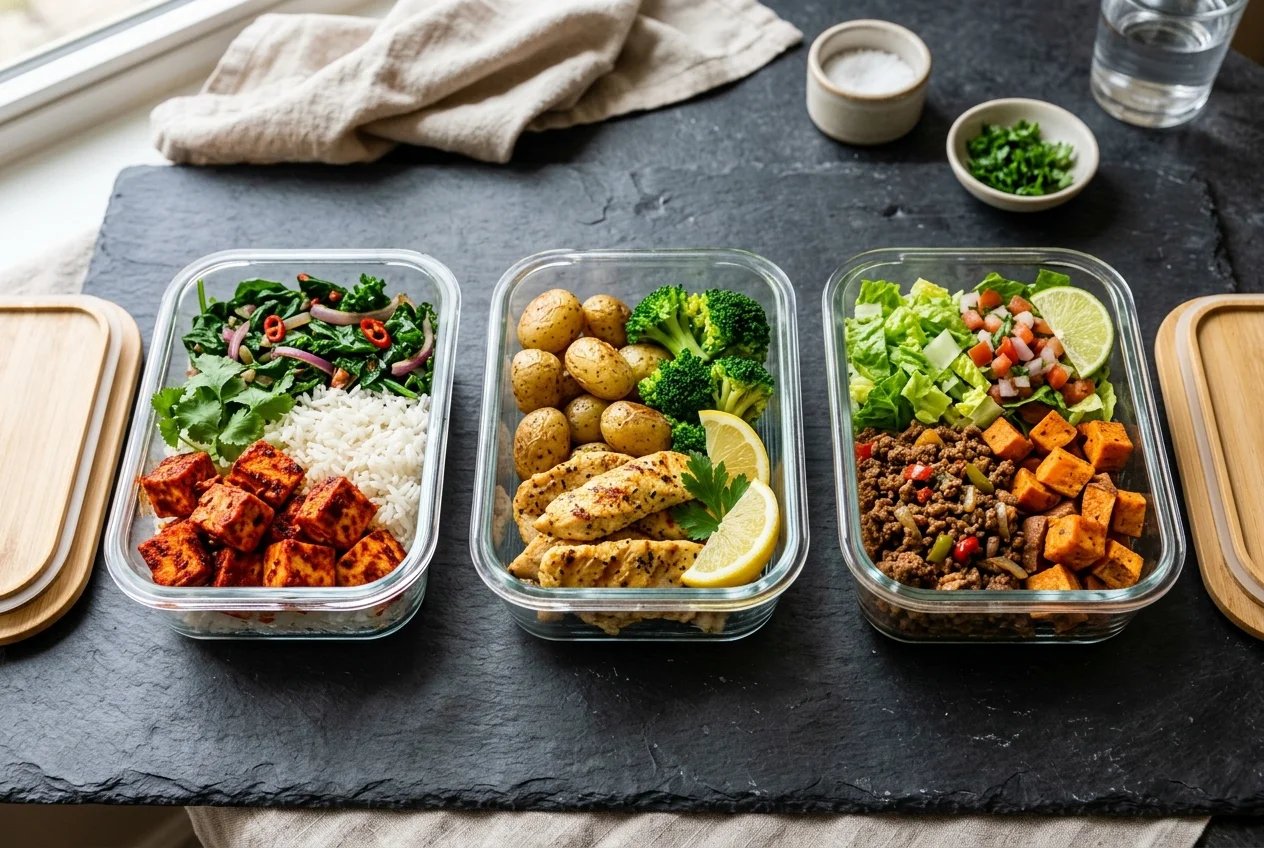
A Health On Top meal has a fixed 150g serving of protein. In a 150g serving, chicken breast has about 40g of protein, chicken thighs 38g, beef 36g and tofu 24g. That is already past 30g for three of the four, and nothing is wasted.
If you train hard, or you are bigger, add the extra protein option. It adds 50g of protein weight to a meal for $5.
Mistakes worth skipping
- Cutting a good meal in half to stay under 30g. You will just be hungry an hour later.
- Saving all your protein for dinner. Your morning and afternoon have the same need.
- Chasing a number and ignoring the plate. Protein, carbs and vegetables in one meal keep you full and keep your energy steady.
- Ignoring your doctor. If you have kidney disease or another condition, get advice first. This article is general information, not medical advice.
The short version
- Your gut absorbs almost all the protein you eat.
- Muscle building per meal may level off around 20 to 40g, but extra protein is still used.
- Total protein across the day matters more than a per-meal cap.
- Eat a full portion at each meal and move on with your day.
Quick answers
Can your body only absorb 30g of protein at once?
No. Your gut absorbs almost all the protein you eat, even in a big meal. What may level off is how much a single meal switches on muscle building, and studies put that somewhere around 20 to 40g for many people. The extra protein still gets used by your body.
How much protein should I eat per meal?
Aim for a solid portion at each meal rather than counting to 30. A 150g serving of chicken breast has about 40g of protein. Most active adults do well with 25 to 45g per meal, spread across the day.
Is eating a lot of protein bad for your kidneys?
For people with healthy kidneys, higher protein intakes have not been shown to cause damage. If you have kidney disease or any medical condition, talk to your doctor before changing how much protein you eat.
Your week, handled
Fresh, high-protein meals made to order in Kamloops. Build every meal your way, then pick up on Monday or get Sunday delivery.